
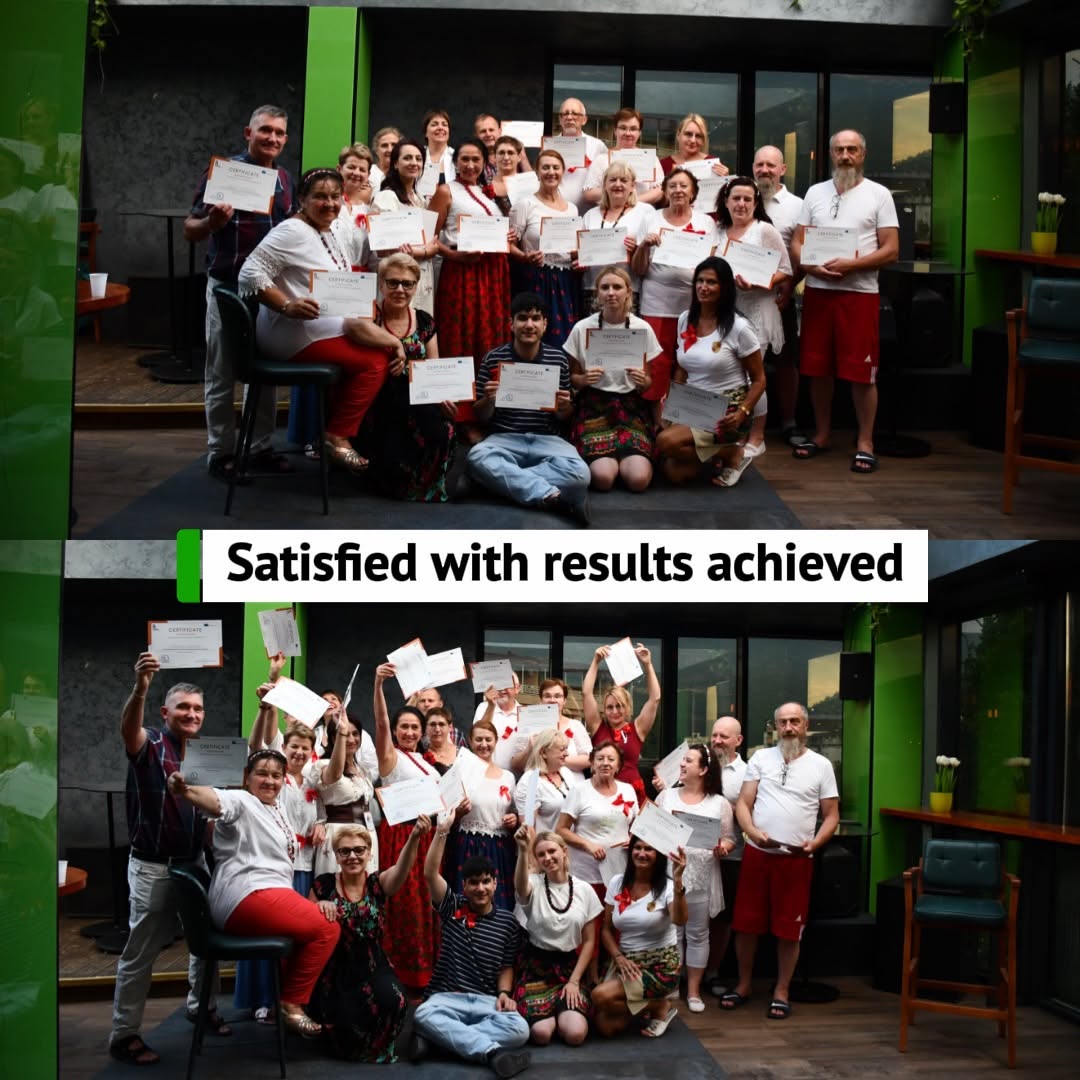
As part of the Erasmus+ KA122-ADU project “Discover New Horizons – Cultural Exchange and Learning,” in partnership with coordinator Instytut Przeciwdziałania Chorobom Cywilizacyjnym from Poland, a group of 20 adult participants from Poland, aged between 50 and 60, had the opportunity to experience North Macedonia through a combination of cultural exploration, informal learning, social interaction and intercultural exchange. The mobility brought together adults with different personal and professional backgrounds, creating an environment where learning extended beyond the traditional classroom. Through direct contact with local culture, traditions, communities and everyday social practices, participants were encouraged to discover new perspectives, share their own experiences and develop a deeper understanding of European cultural diversity. During their stay, the participants explored the cultural and historical heritage of North Macedonia and became acquainted with local traditions, customs, cuisine and ways of life. Visits to cultural and historical sites provided an opportunity to learn about the country’s rich and diverse heritage, while informal conversations and meetings with local people helped participants experience everyday life from a more personal perspective. An important part of the mobility was the intercultural exchange between Polish and Macedonian participants. Rather than being passive visitors, the participants were encouraged to actively communicate, exchange experiences and reflect on similarities and differences between the two cultures. These interactions created opportunities for dialogue about family, community, traditions, education, work, social relationships and lifelong learning. The project also placed particular emphasis on the development of interpersonal and soft skills. Through group activities, discussions, collaborative tasks and cultural experiences, participants had opportunities to strengthen communication, active listening, teamwork, adaptability and confidence in interacting with people from different cultural backgrounds. For adults aged 50–60, such learning mobility can be especially valuable because it demonstrates that learning, personal development and international engagement are not limited to younger generations. The experience encouraged participants to remain active, curious and open to new experiences, while strengthening their sense of belonging to a wider European community. The mobility also created space for reflection. Participants were encouraged to consider what they had learned, how their perceptions of North Macedonia had developed and which elements of the experience could be transferred into their everyday lives. In this way, cultural exploration became a form of lifelong learning, where knowledge was gained not only through organised activities but also through observation, communication and personal experience. One of the most valuable outcomes of “Discover New Horizons” was the creation of new human connections. Shared meals, conversations, group activities and visits provided a relaxed environment in which participants could meet one another, overcome cultural and linguistic differences and build lasting relationships. The experience demonstrated that European mobility is much more than travelling from one country to another. It is an opportunity to learn from others, understand different perspectives, challenge assumptions and discover new possibilities. For the Polish participants, North Macedonia became a place of discovery, learning and cultural connection. At the same time, their presence contributed to an enriching international experience for the local community and created opportunities for future cooperation between organisations from Poland and North Macedonia. “Discover New Horizons – Cultural Exchange and Learning” therefore represents the core spirit of Erasmus+: bringing people together, encouraging lifelong learning, strengthening interpersonal competences and building bridges between European cultures. Through this mobility, 20 adult learners had the opportunity to discover a new country, but also to discover new perspectives, new relationships and, ultimately, new horizons.
 Shqip
 English
 Македонски јазик